
AIR VICE-MARSHAL
WILLIAM KILPATRICK STEWART
CB, CBE, AFC, QHP, BSC MB, ChB, MRCP
Early Life (1913–1939)
Air Vice-Marshal William Kilpatrick Stewart was born on 28 June 1913 in Scotland, the son of Dr John Stewart. He was educated at Hamilton Academy before entering Glasgow University, where he graduated Bachelor of Science in 1934 and MB ChB with honours in 1936.
Following qualification, Stewart held house appointments at the Western Infirmary, Glasgow, where his interests increasingly focused on human physiology. In 1938, he was awarded a Medical Research Council fellowship, undertaking advanced research in physiology at the Physiological Laboratory, University of Cambridge, under Professor (later Lord) Adrian. He also conducted research in neurophysiology at the National Hospital for Nervous Diseases, Queen Square, London, under Dr R. S. C. McAlpine.
This combination of clinical medicine, physiology, and neurophysiology provided the foundation for his later work in aviation medicine.


Medical Formation (1913–1939)
In 1939, Stewart joined the Royal Air Force Volunteer Reserve as a medical officer. With the outbreak of the Second World War, he was called to active service and served overseas in the Middle East.
In 1941, his specialist expertise led to his recall to the United Kingdom, where he was posted to the RAF Physiological Laboratory at Farnborough, later known as the Institute of Aviation Medicine. This appointment marked the beginning of his central role in the development of British aviation physiology.
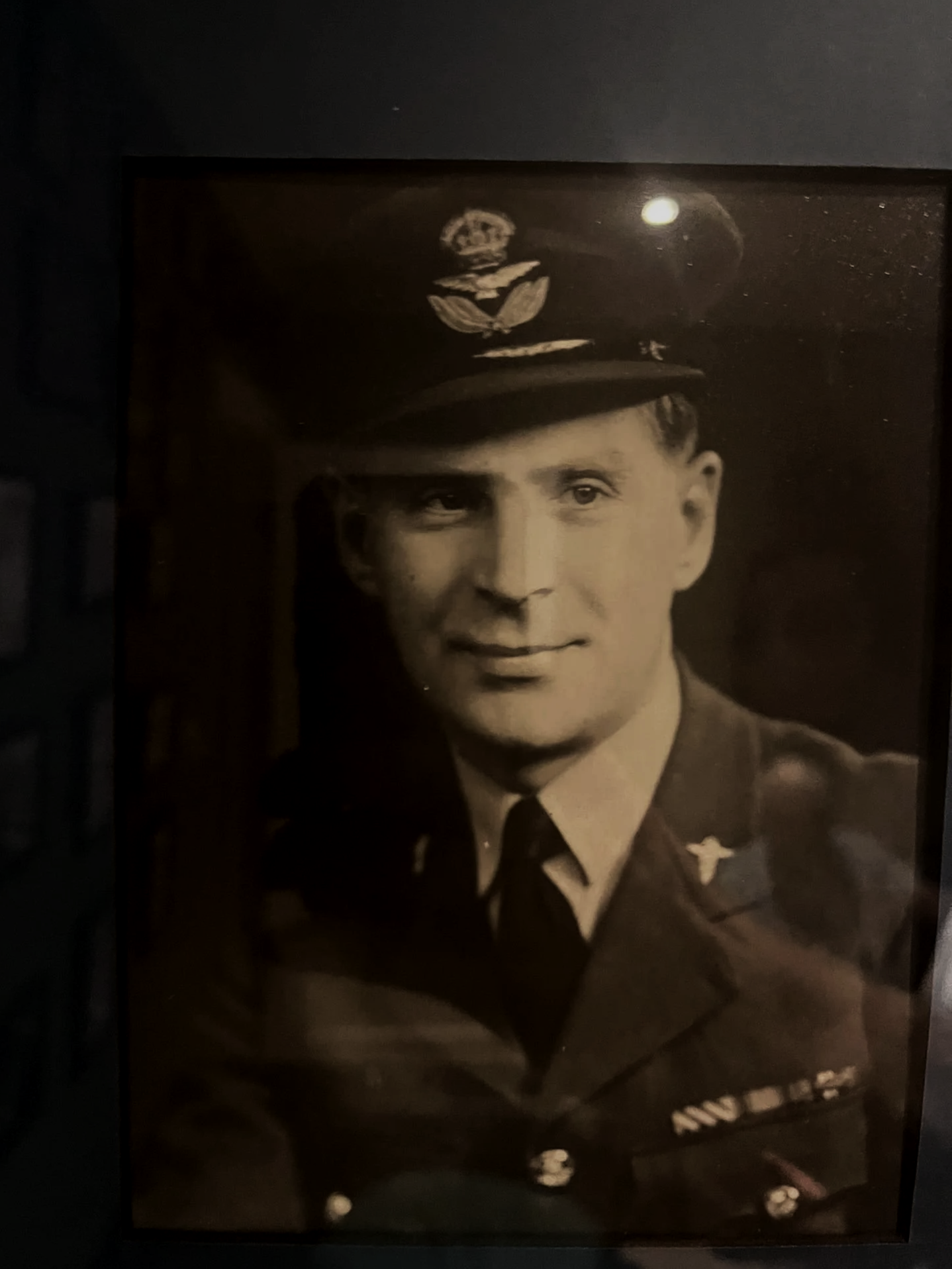
Wartime Career (1939–1945)
Entry into the RAF Physiological Laboratory at Farnborough (1940)
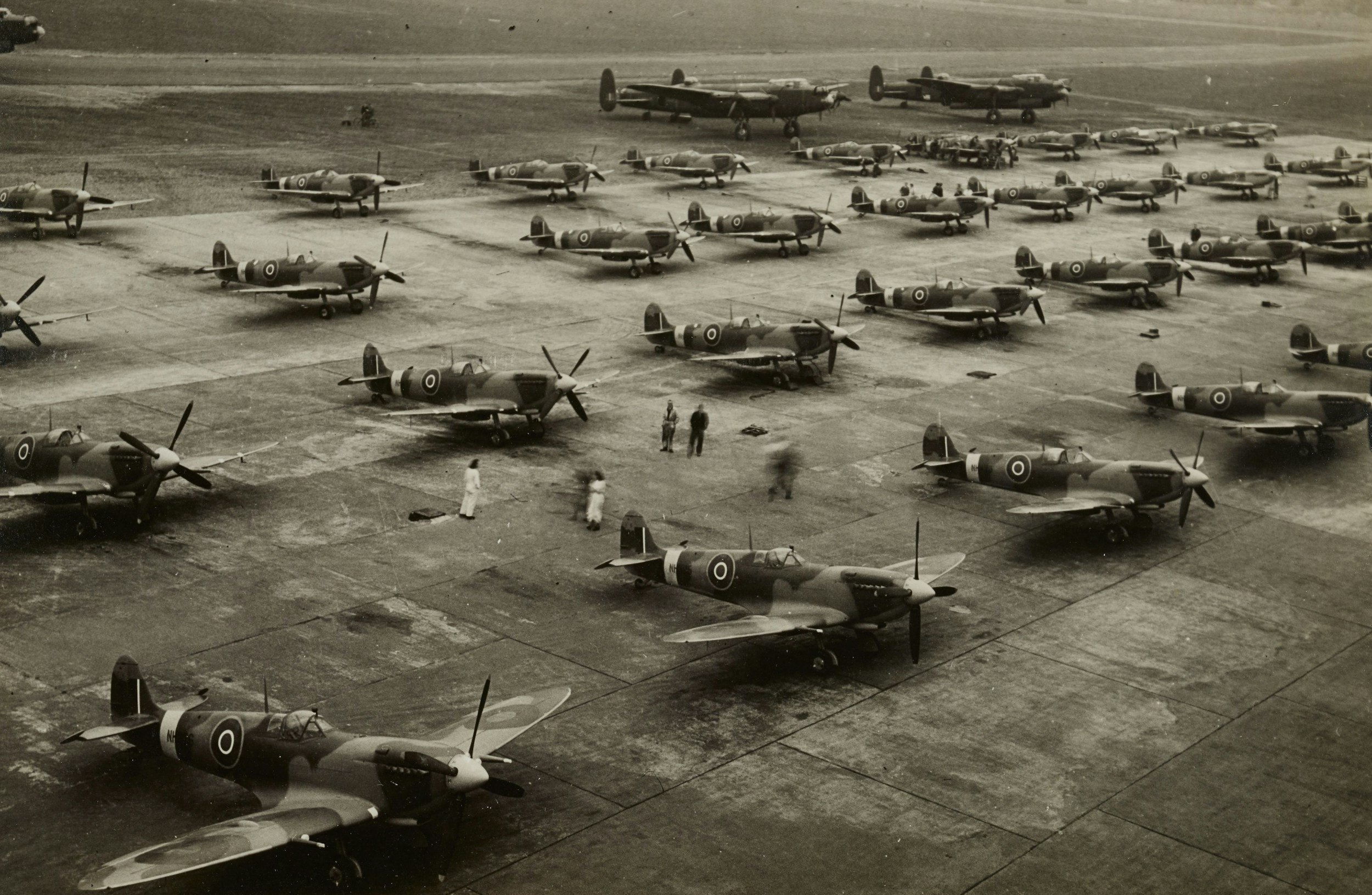
At Farnborough, Stewart became a leading figure in wartime aeromedical research. His work addressed the physiological challenges faced by aircrew operating at extreme altitude and under high acceleration. Research programmes included investigations into hypoxia, blackout, oxygen system design, decompression sickness, thermal stress, fatigue, and operational stress.
Stewart frequently participated personally in experimental flights and laboratory testing, often acting as a test subject in hazardous conditions to obtain first-hand physiological data. In 1941, he was commended for valuable services in the air and awarded the Air Force Cross (AFC).
Following the war, Stewart also took part in interviews with returning prisoners of war, contributing to early understanding of the long-term effects of stress, fatigue, and extreme operational conditions on aircrew survival and accident causation.
His early wartime work included:
High-altitude physiology
Hypoxia & oxygen-delivery systems
Thermal stress at altitude
Early decompression-chamber experiments
Motion & disorientation studies
These were dangerous, often poorly understood experiments. He was known for volunteering as a test subject in conditions that would now be considered medically reckless.
flying Laboratory Experiments
Stewart and G.E. Watt modified a multi-seat aircraft into a flying physiological laboratory, equipped with:
movable oxygen systems
continuous cine-cameras filming pilot responses
temperature and pressure sensors
prototype G-suits
variable-flow oxygen masks
These flights allowed real-time data on blackout, recovery, and pressure changes — revolutionary for 1943–45.
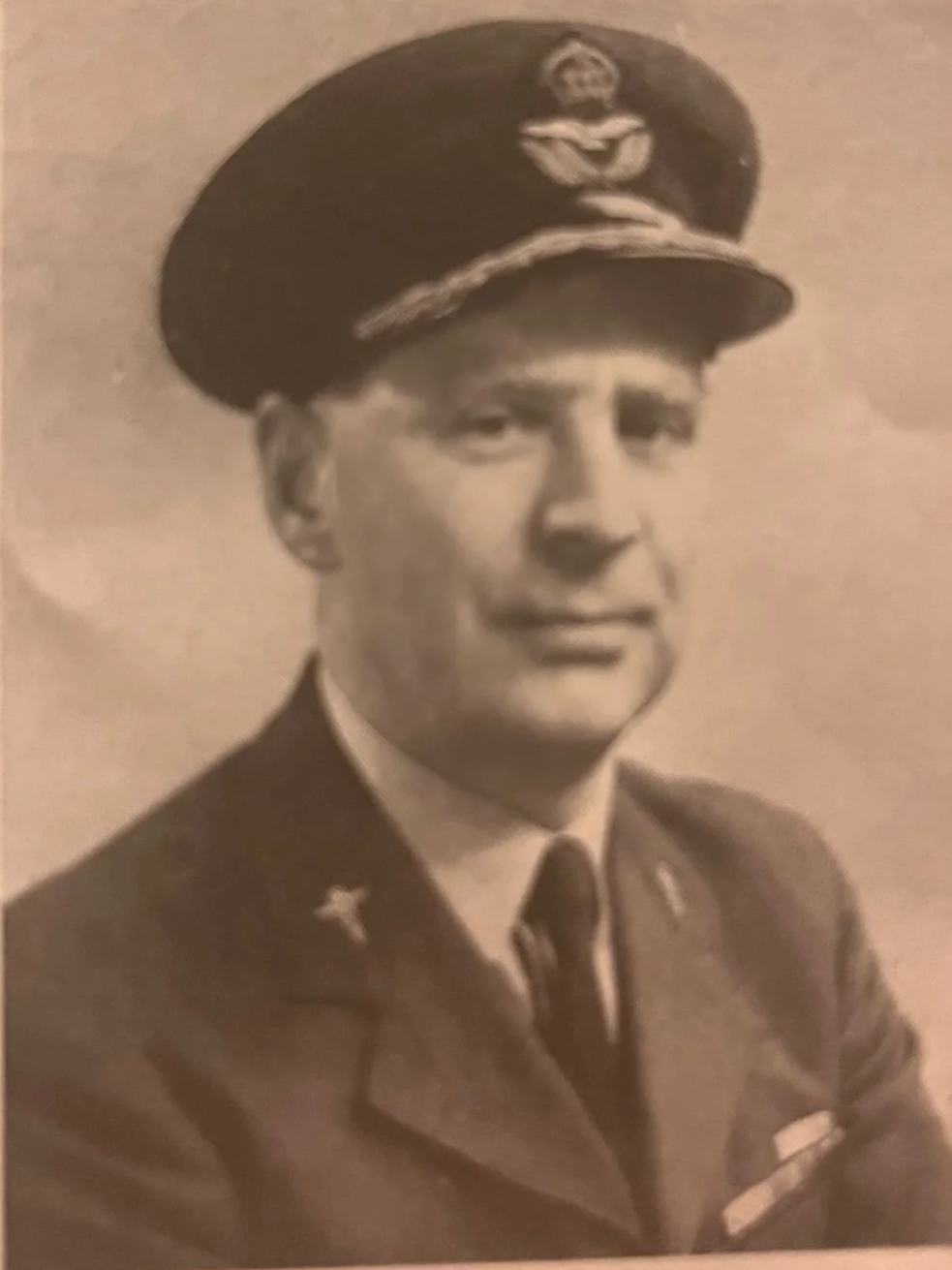
Post-War Leadership
(1946–1967)
Commanding Officer of the RAF Institute of Aviation Medicine (IAM)
In 1948, Stewart was appointed Consultant in Aviation Physiology to the Royal Air Force, becoming Senior Consultant in Physiology in 1956, the highest advisory position in the field within the RAF.
He remained based at the Institute of Aviation Medicine at Farnborough, occupying a leading research fellowship for most of his career. Between 1957 and 1958, Stewart held an international academic appointment in the Department of Psychology at McGill University, Montreal, reflecting the growing interdisciplinary scope of his work in human performance and stress.
From 1960 to 1963, Stewart served as Chief Executive Officer of the Flying Personnel Research Committee, which advised the Secretary of State for Air on matters of operational flying, aircrew safety, and human performance. Through this role, his influence extended beyond laboratory research into policy and operational decision-making across the Royal Air Force and other government ministries concerned with aviation.
Under his leadership and guidance, the Institute of Aviation Medicine developed into a world-leading centre for aeromedical research, influencing RAF practice, NATO standards, and international aerospace medicine.
Under his leadership, IAM became:
the world’s premier aviation-physiology research institute
the birthplace of practically every NATO-standard aircrew safety protocol
the central hub for G-tolerance, ejection-seat, and oxygen-system design
Stewart unified scattered wartime research into a rigorous scientific method.
RAF colleagues described him as:
“An inspirational leader whose grasp of both science and operations was unmatched.”
(RAF Historical Society)
He remained Commandant until his death in 1967.
Personal Life
In 1941, William Kilpatrick Stewart married Audrey Wentworth Tyndale. Together they had one son and three daughters.
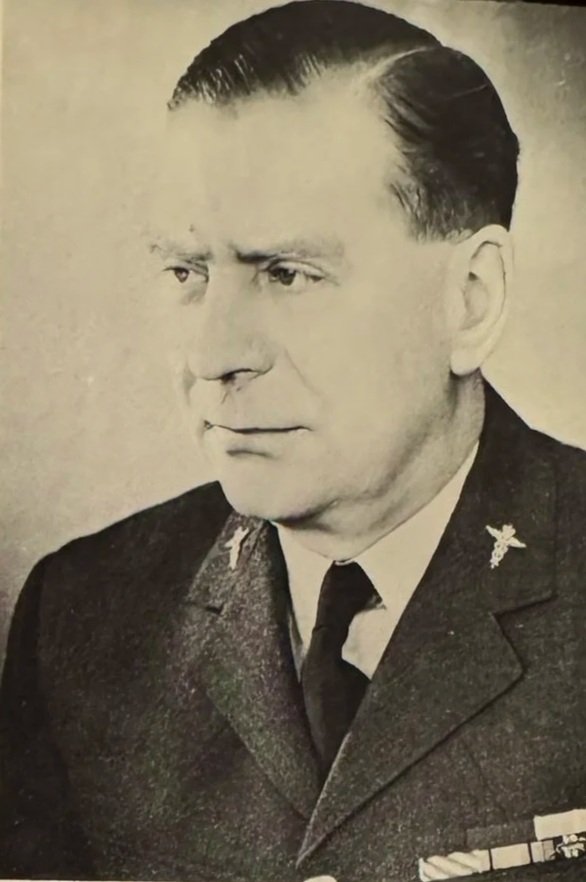
Death and Legacy
William Kilpatrick Stewart died on 1 May 1967, aged 53, after a prolonged illness. His death was widely regarded within the Royal Air Force and the international aviation medicine community as a profound loss at the height of his professional influence.
Colleagues remembered Stewart as both charming and strong of character, combining scientific rigour with a keen appreciation of the practical problems faced by airmen. His professional intensity did not diminish his capacity for personal relationships, and he was known as a generous colleague, a genial host, and an active participant in Service life and social activities.
Stewart’s career is considered one of the most distinguished in the history of aviation medicine. Through meticulous research, operational insight, and personal courage, he helped define the scientific standards that continue to underpin aircrew safety, human performance, and survival in flight.
Professional Honors
-
-
-
for test-flying duties
-